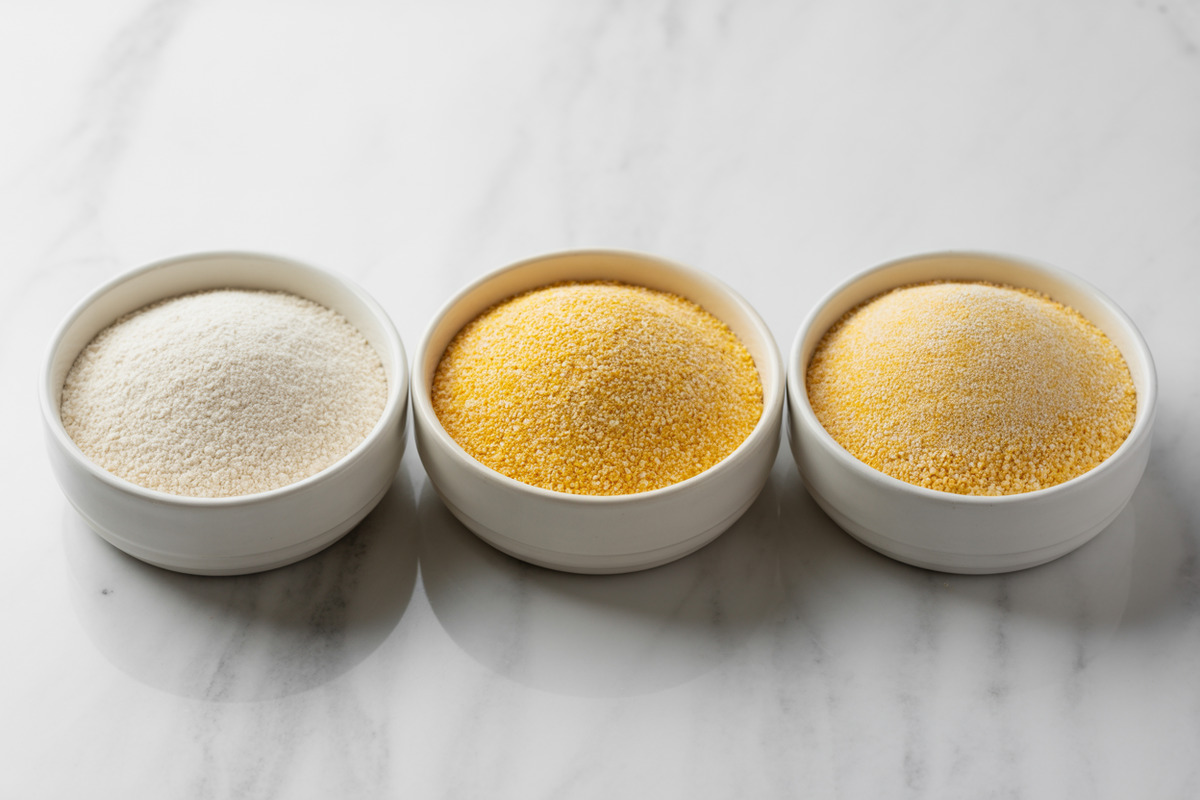
Cornmeal Types: White, Yellow & Self-Rising
Understanding the differences between white, yellow, and self-rising cornmeal and when to use each type.
Quick Facts
Season
Year-round
Price Range
$
Storage
Airtight container in cool, dry place
Shelf Life
6-12 months (longer if refrigerated)
Overview
Cornmeal is the foundation of Southern cooking, appearing in everything from cornbread and hushpuppies to coatings for fried fish and okra. Understanding the differences between white, yellow, and self-rising cornmeal isn't just academic—it directly impacts your results. White cornmeal produces lighter, more delicate cornbread with subtle flavor. Yellow cornmeal offers robust, corn-forward taste. Self-rising includes leavening agents for convenience. The history of cornmeal in the South stretches back centuries, with regional preferences developing over generations—the Deep South favors white for its refined nature, while Appalachia prefers heartier yellow varieties.
Varieties & Types
| Variety | price | flavor | best For | texture |
|---|---|---|---|---|
| White Cornmeal | $ | Mild, slightly sweet | Cornbread, hushpuppies | Fine to medium |
| Yellow Cornmeal | $ | Robust, corn-forward | Cornbread, polenta | Medium to coarse |
| Self-Rising | $ | Depends on base | Quick cornbread | Fine |
| Stone-Ground | $$ | Intense, nutty | Artisan cornbread | Coarse |
* Prices and availability may vary by location and season
Selection Guide
For traditional Southern cornbread, white cornmeal is authentic in coastal regions, yellow in mountain areas. For frying, fine white cornmeal creates the crispiest coating. Stone-ground offers superior flavor but requires refrigeration. Self-rising simplifies baking but limits control. Look for uniform color, fresh corn-like smell, and check labels for "stone-ground" or "whole grain" for maximum flavor.
Storage & Preservation
Degerminated cornmeal stores in pantry 6-12 months. Stone-ground MUST be refrigerated (3 months) or frozen (6 months) due to oil-rich germ. Use airtight containers. Signs of spoilage: rancid smell, discoloration, mold, or bugs. Freeze all types for extended storage—lasts up to a year frozen.
Preparation Tips
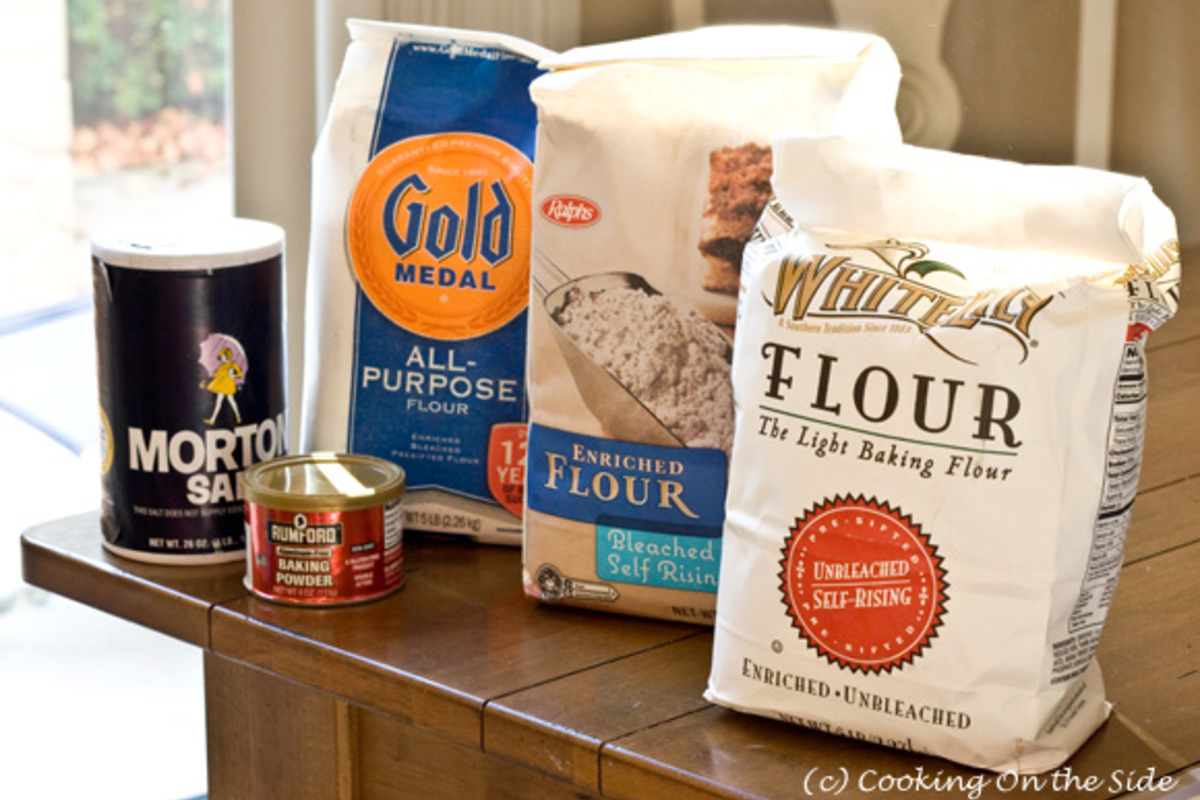
Spoon cornmeal into cups and level off—don't pack. For smoother texture, pulse coarse cornmeal in food processor or let batter rest 30 minutes. Toast in dry skillet 3-5 minutes for deeper flavor. Many recipes mix cornmeal with flour (3:1 ratio) for lighter texture. When substituting regular for self-rising, add 1½ tsp baking powder and ½ tsp salt per cup.
Cooking Methods
Baking
Pro Tip: Preheat cast iron skillet with oil for crispy crust
Frying
Pro Tip: Use fine cornmeal, season well, press coating firmly
Boiling
Pro Tip: 4:1 liquid-to-cornmeal, whisk constantly at first
Griddle
Pro Tip: Keep batter thin for hoecakes
Substitution Guide
💡 Tip: When substituting, always taste and adjust as you go. Substitutions may affect final flavor and texture.
Pairing Suggestions
Pairs with beans (cornbread and pintos), greens (cornbread in pot liquor), seafood (cornmeal-coated catfish), pork (cracklin' cornbread), honey, molasses, butter, bacon fat, sharp cheddar, jalapeños. Serve with sweet tea, buttermilk, or coffee.
Where to Buy
White Lily and Martha White dominate Southeast. Quaker national. Bob's Red Mill and Anson Mills offer premium stone-ground. Prices: Commercial $2-3 per 2lb, stone-ground $4-6 per 24oz, heirloom $8-12 per lb. Available at Walmart, Kroger, Whole Foods, farmers markets, specialty mills.
Nutritional Information
Frequently Asked Questions
Want More Ingredient Guides?
Subscribe to our newsletter for cooking tips and ingredient deep-dives delivered weekly.
Subscribe Now